The pipe has collapsed
A liner forms against the inside wall of the existing pipe. If a section has caved in there is no wall to form against, and no amount of resin changes that.
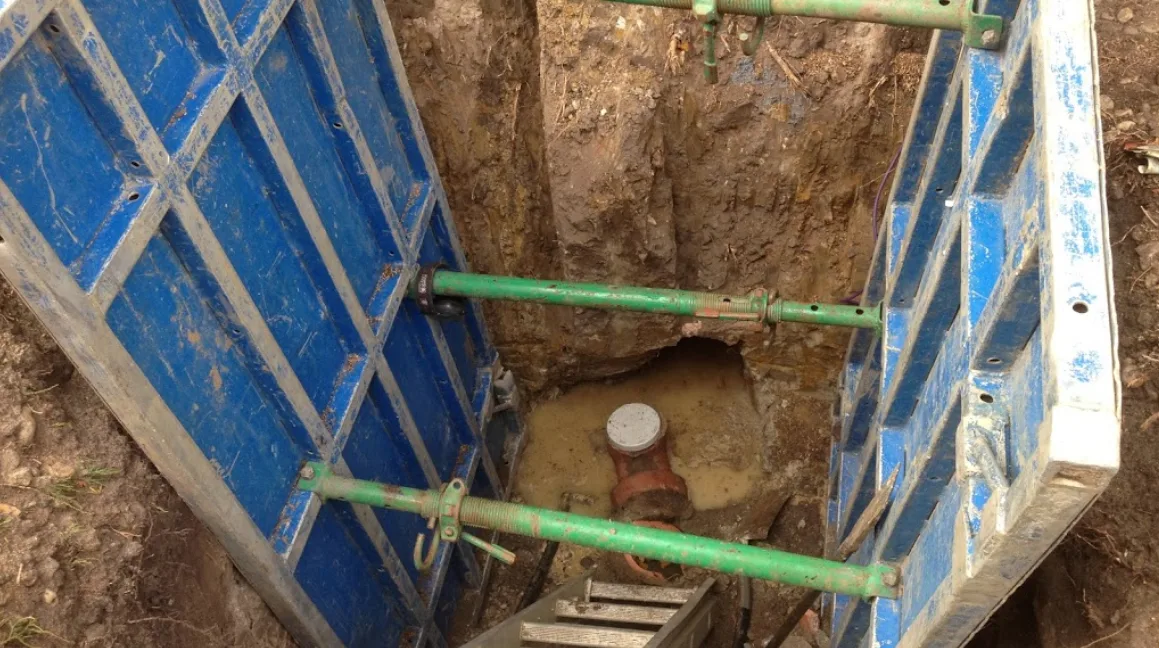
Relining wins most of the time, and we will tell you plainly when it does not. Here is the comparison without the sales pitch, including the four situations where a liner is the wrong answer.
| Criterion | Pipe relining | Dig and replace |
|---|---|---|
| Time on site | 1–2 days | 3–5 days, often longer |
| Your driveway | Untouched | Cut, removed, re-poured |
| Garden and paving | Untouched | Excavated and reinstated |
| Root re-entry | Sealed permanently | Returns at the new joints |
| Reinstatement cost | None | Concreting, paving, landscaping |
| Council permits | Rarely needed | Often needed for crossings |
| Warranty | 50 years on the liner | Workmanship only |
Honest caveat: if a pipe has fully collapsed there is nothing left to line against, and we will tell you to dig. The camera decides, not the quote.
A liner forms against the inside wall of the existing pipe. If a section has caved in there is no wall to form against, and no amount of resin changes that.
Usually a vehicle load over a shallow run, or subsidence. A crushed section has lost its bore, so the liner cannot be inflated to shape.
A liner follows the grade it finds. If the pipe runs uphill, lining it gives you a beautifully sealed pipe that still does not drain.
A severe offset where one length has dropped off the next is a replacement job. If we cannot pass a camera, we cannot pass a liner either.
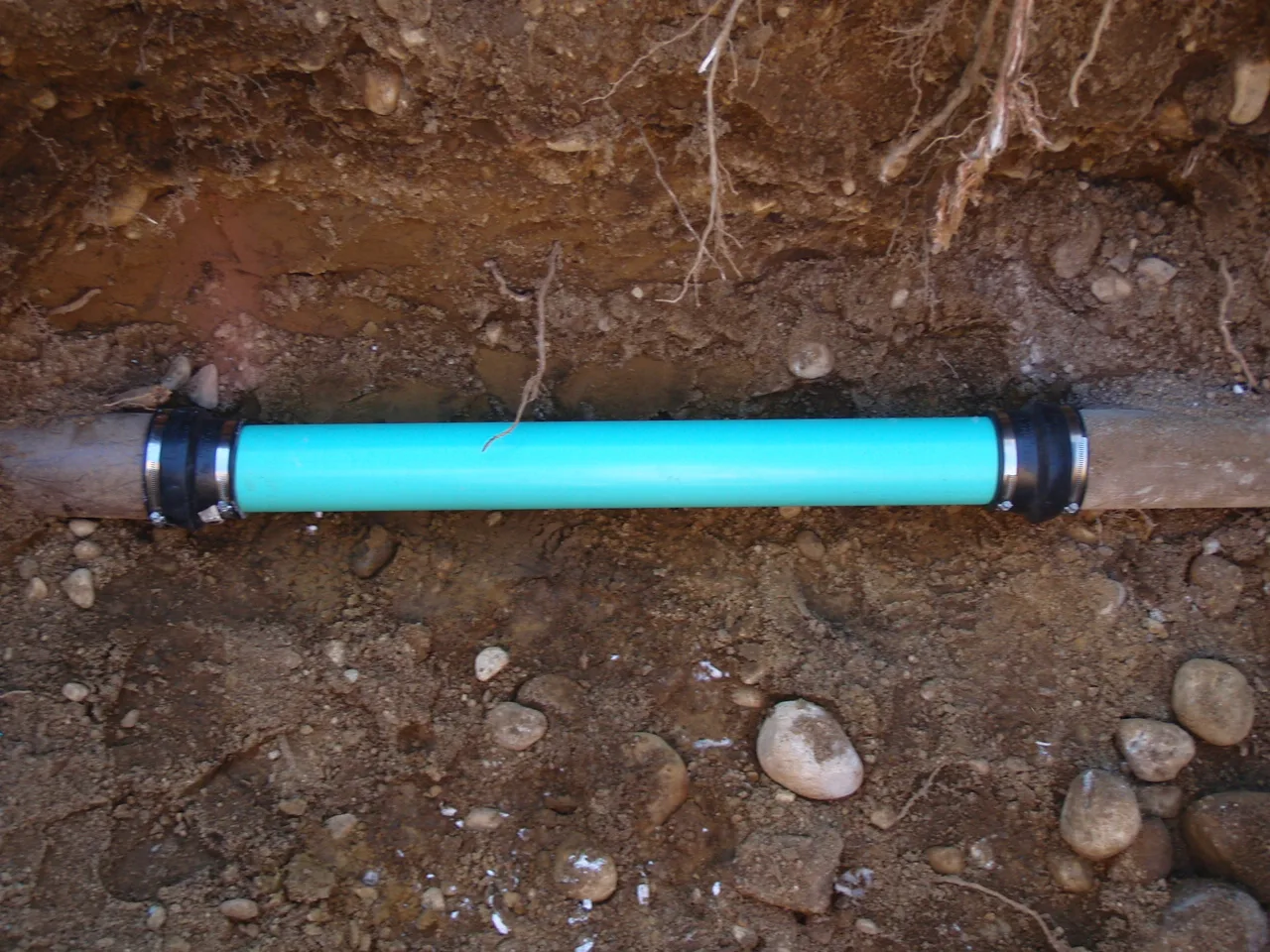
In practice a lot of jobs are both: we dig out the failed metre and line the remaining twenty. You get a sound run without a trench down the whole block.
An excavation on a typical Melbourne block means a machine down the side, a spoil heap on the nature strip, your driveway cut and removed, and three to five days of open trench. Then the reinstatement trades arrive: concreter, paver, landscaper, each on their own schedule.
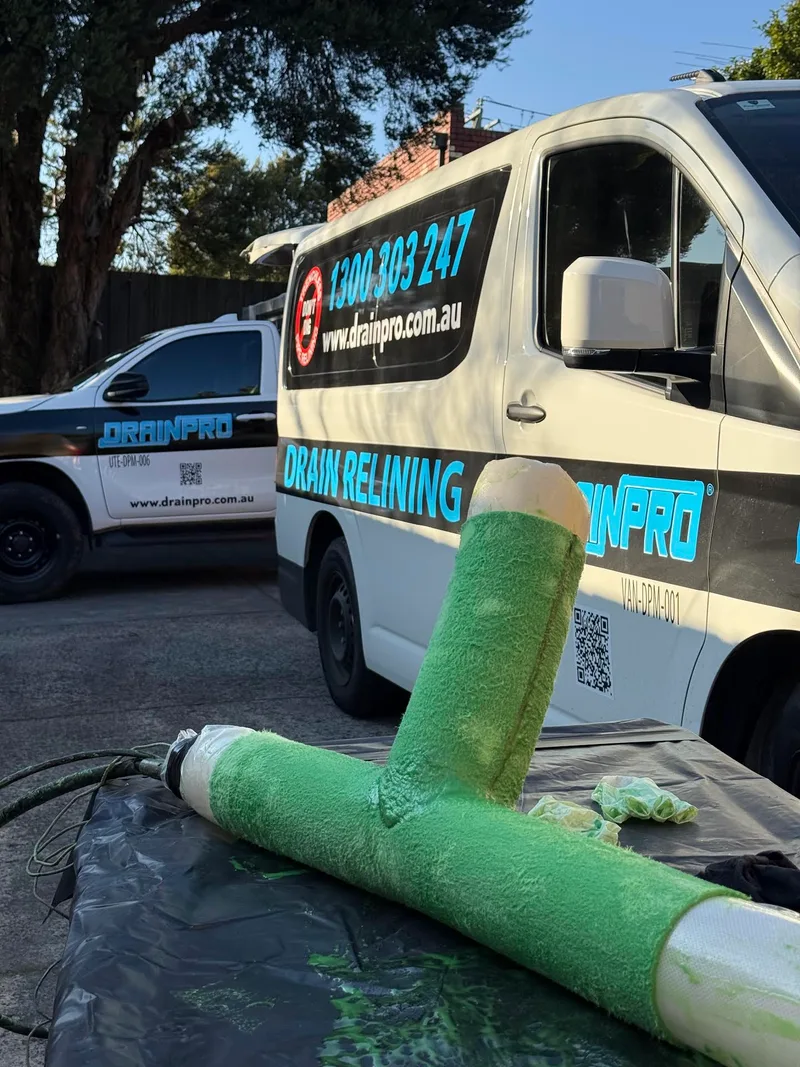
Relining means a van, a hose run from the inspection shaft and a crew of two. Nothing is cut, nothing is dug and nothing needs putting back. On most jobs the only evidence we were there is the footage we hand you.
If you want the cost side of this in detail, read what pipe relining actually costs. If you already know which you need, here is how the lining itself works.
“Great service by Joe and the team on our stormwater pipe. Turned up when they said they would and left the place cleaner than they found it.”
“The whole experience was seamless from start to finish. Quoted up front, no surprises at the end, and the report was in my inbox the same day.”
“Rang at 3pm Saturday, fixed by 8pm. Believe the five star reviews — under two hours on site and everything was working again.”
Reviews shown are from the Google profile of our parent business, DrainPro — same crews, same trucks, same licence.
Structurally, yes. A cured liner is a standalone pipe rated to carry load in its own right, which is why it carries a 50-year manufacturer warranty rather than a workmanship guarantee. It is also continuous, so unlike a replacement it has no joints to fail.
Four situations: the pipe has collapsed and there is no wall to form against; it has been crushed flat; the run has real back-fall so the grade itself is wrong; or the line is so badly offset the camera cannot pass. In those cases a liner will not fix the problem and we will tell you so.
Often that is the right answer. We excavate and replace the metre or two that has actually collapsed, then line the rest of the run so the remaining joints are sealed. You get a sound line without a trench down the whole block.
Three to five days is typical against one to two for lining, and that is before any reinstatement. Concreting, paving and landscaping are usually a separate trade on a separate timeline.
Slightly — the liner wall is a few millimetres thick. Flow usually improves anyway, because a smooth epoxy bore has far less friction than rough, scaled, root-filled terracotta.
Relining, in most cases. It is faster, it leaves the property looking untouched, and you hand the buyer before-and-after footage plus a transferable 50-year liner warranty. A fresh trench down the driveway invites questions a photo of a sealed pipe does not.
Cured-in-place lining has been used on municipal sewers since the 1970s and on residential lines in Australia for well over two decades. The resins and liners have improved; the principle has not changed.
The camera does. We inspect, show you the footage, and recommend accordingly. We would rather quote you an excavation we are less excited about than sell you a liner that will not hold.
Tell us what the drain is doing and we will book a CCTV inspection, usually same day. No charge, no obligation, and you keep the footage either way.